

After all that hard work and meticulous planning, you concert crashes and burns.
But don’t despair, together we can prevent that from happening.
Join me on the day of my concert…………… while this is a fictious concert, the journey we have undertaken thus far has been real. Let’s get those million dollars.
RECAP
Our artists are booked; service providers have received the required deposits and ticket sales have been fantastic.
The work at the venue now begins.

LOAD IN
All events require some time prior to the event, for the build-up of infrastructure and other services for the event to take place.
Whilst we have exhaustively met with our various service providers and industry experts, we still need to have a final site meeting before any piece of equipment is even set down at the venue.
After we met and agree that our production aspects of the event are sound, the layout is good, and all the elements work together, we then begin the process of loading in.
This is essential as you wouldn’t want your speaker placement to be incorrect and sections of the crowd not being able to hear the music properly or people only seeing the side of the stage.
This may be the last time to adjust your plans.
Your service providers arrive on site and proceed with the stage build, erection of security fencing, setting up your VIP areas. Catering for your production staff is also set up on site.
The venue is a hive of activity, and it is of utmost importance that your safety officer keeps a watchful eye over all the operations going on.
Did you remember to provide medical services during this process?
Work during the load in phase may proceed continuously for the period allocated for this process. In other words, 24 hours a day for this period.
Remember you must have a safety officer and medical services on site for this entire period.
You may also have to provide additional security to protect the infrastructure you are setting up in the venue.
Did you budget for these additional costs? With only 24 hours left before the show and just about everything set up, our first safety inspection can commence.
The relevant role players such as the authorised member, safety officer, disaster risk management, city health services, engineers and any other relevant person will conduct the initial safety assessment.
Whilst some work may still be in progress at this stage, you want to know where there are issues of concern to allow enough time to remedy it. After this inspection, which is often referred to as a walkabout, we have a long list of items to rectify. Maybe you team is very good and there are only minimal snags to fix.
Whilst the team is working on the snag lists, other are doing their checks to ensure a smooth-running show.
The service provider for my Traffic Management Plan would have placed no stopping signs along the roads which will be closed during the event. Fencing for the safety of pedestrians will be placed where required according to our TMP. Warning signs advising of our road closures would have been place in the area at least two weeks before the event.
It would also be advisable to set up an on-site production office and even a skeleton VOC. A skeleton VOC would mainly have your security service provider, your safety officer and medical represented there for now.
The production office will allow you and your production manager to coordinate all the various activities and follow the progress of each item. It would be advisable to hold daily production meetings with all your service providers which will allow you to interrogate the progress.
This also allows a platform for service providers to communicate with each other and resolve any issues that may arise and prevent conflict.
The electricians may have to place a power point in an area where the stage building team may be required to put a support stay. So now the two service providers can talk to each other, and you can make any decision about moving the power point immediately. This will reduce any need for delays.
These meetings also allow your team to be on same page. We are good to go. Let the music play.

SHOW DAY
Typically show day may commence with a final safety inspection depending on the start of the event. Our gates open at 9 am, so our final safety inspection will commence at 4 am.
At this point in time all aspects of the building of any infrastructure should have concluded. It should only be the load in of décor, food and other small items still outstanding. Any building work continuing may result in a delay in the final safety inspection and could impact on the start of your event.
The safety inspection was successful with a few minor snags to address. It is also important to note that all signage and safety equipment should be in place before the final inspection.
From personal experience, I know how irritating it is for the team doing the inspection, when these little yet often overlooked items are not in place. Your venue should be 99.99999999999% ready for the event you host. My structural engineer has approved all the temporary structures we have erected for the event after the inspection team has checked it.
By 5 am my security service provider needs to have all the security officers deployed to their respective posts as per the security deployment plan. My security manager will check on this along with the on-site security manager of the service provider.
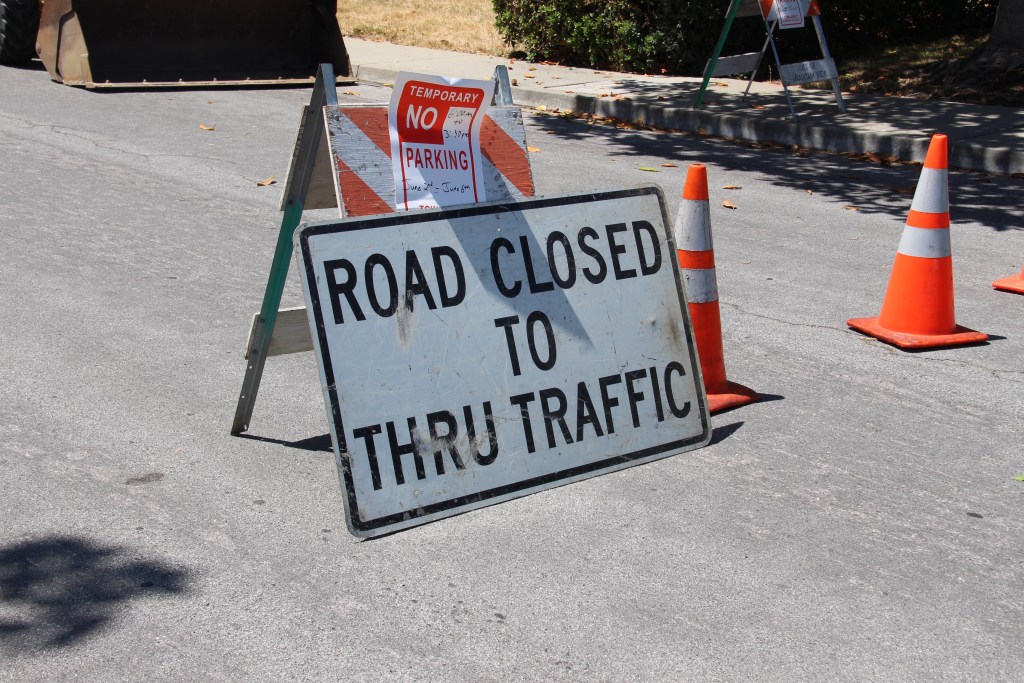
At 6 am the road closures for the event comes into effect. The required road furniture will be placed in the road as per our TMP. Any fencing erected for the event will also be inspected for safety reasons.
It’s 7 am and event staff and vendors arrive and are briefed by the relevant manager responsible for that section. Security have already been briefed and deployed earlier. Event staff will now head to their areas on responsibility and begin prepping for the day.
Vendors should have set up the previous day in terms of equipment and therefore will just be prepping to trade. The Inspection team will also check the vendors for compliance in terms of hygiene, electrical and gas installations, fire safety measures and regulatory requirements such as a Certificate of Acceptability as a food vendor, issued by the City Health Services and a Business licence.
Just like your other service providers, vendors should have their own third-party liability insurance, and this should be in the contract with the vendors. It’s not an absolute requirement but you may carry that risk if the vendor doesn’t have insurance.
By 8 am the team has remedied the snags found by the inspection team and the inspection team will check the items on the snag list for compliance. All vehicular traffic will be removed from the pedestrian only areas.
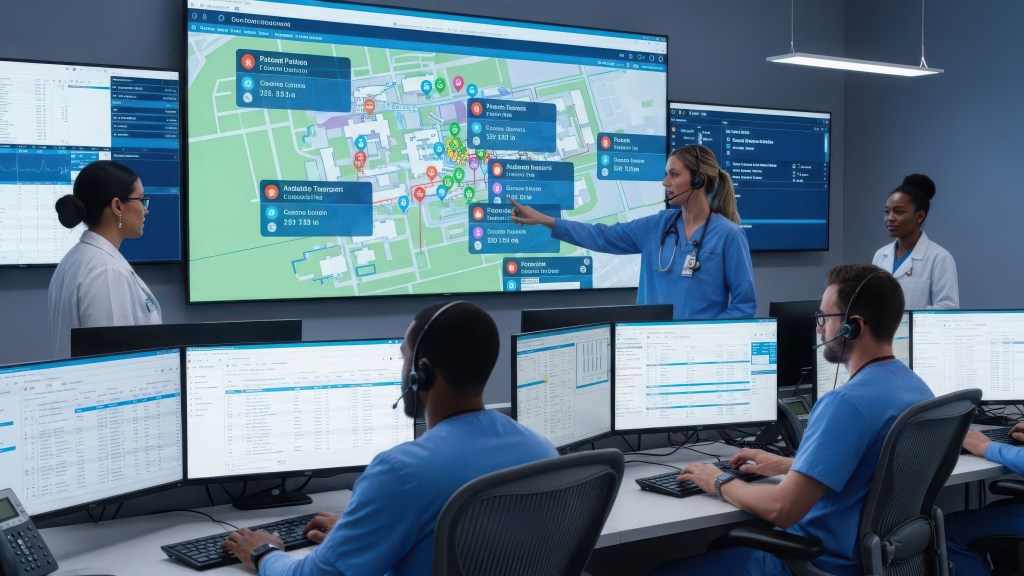
The full VOC is activated, and all relevant role players are present. The VOC Commander and Authorised Member will hold a briefing. The final safety inspection will be discussed; I will give an overview of the events for the day as the Event Organiser and all the role players will give input as to the state of readiness for the event. The various services will give their deployment numbers for record purposes. I will have a representative in the VOC on my behalf. I will also give the VOC an update on the number of tickets sold. We have no ticket sales at the venue as all sales are online. We do however have the ticket offices open for queries related to the tickets which is managed by our ticket sales service provider.
All sector managers for the various service providers and event staff will give an indication on their respective states of readiness. Basically, we will complete a check list. Catering will indicate if they are ready, Hospitality will do the same and so on. I will report this to the VOC.
The relevant role players will have a final chance to voice any objections to the event proceeding should a legitimate reason exist for such an objection. Everybody agrees we good for gates to open. 9 am the gates open to the public and now we have reached the point of no return.
10 am, we open the hospitality areas to VIP’s and people are slowly getting into the party mood. I am constantly in communication with my team on the ground. Final sound checks are being done.
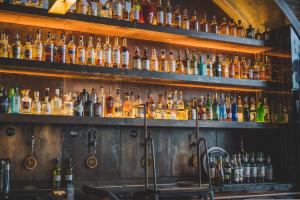
It is 11 am and the party really gets into full swing as the bars open to the public and our MC takes the stage. The energy is high.
My artists are arriving as their time to perform grows closer. The hospitality team is taking care of our guests, and my stage manager is controlling the timings of the artists performing. So far so good, they say.
Its not full house yet, but we have a nice crowd size, and the entrance gates are handling a steady flow of concertgoers entering the venue. As the programme continues the crowd grows as the time for our headline artists to perform draws nearer. By 6 pm we have reached capacity. Our online ticket sales have ceased. We do not want to oversubscribe our event. Some security personnel are moved to inside the stadium and the deployment at the gates are reduced.
We have dealt with some minor medical issues. As is the case with any event where alcohol is sold, people may get inebriated and stumble a bit. Bar managers have been advised not to sell alcohol to people who are highly intoxicated. If you are too drunk, we will not supply you with more alcohol. We are trying to be responsible here.

Crime is a problem, we have some pick pocketing but our security team along with SAPS, Metro Police and Law Enforcement have improve visibility at critical points like toilets, food stalls and bars and entrance / exit points. The staff monitoring the CCTV cameras are relaying information to the ground teams about any suspicious persons.
People are enjoying themselves and the concert is going well and then clean up at the toilets in the Blue Block, Podium level. Someone lost their stomach contents. Not to worry, production manager has sent a cleaning crew to sort it out.
In the VOC al incidents are being recorded the remedial actions as well taken.
At this stage I could highlight hundreds of ways things could go wrong but because we have planned properly, nothing major occurred.
Tyla has taken to the stage and the crowd goes wild and the energy in the stadium is electric. This performance is followed by our star performer, Mariah Carey. This is the critical time as crowds maybe so pumped up that there may be individuals who want to push to the front.
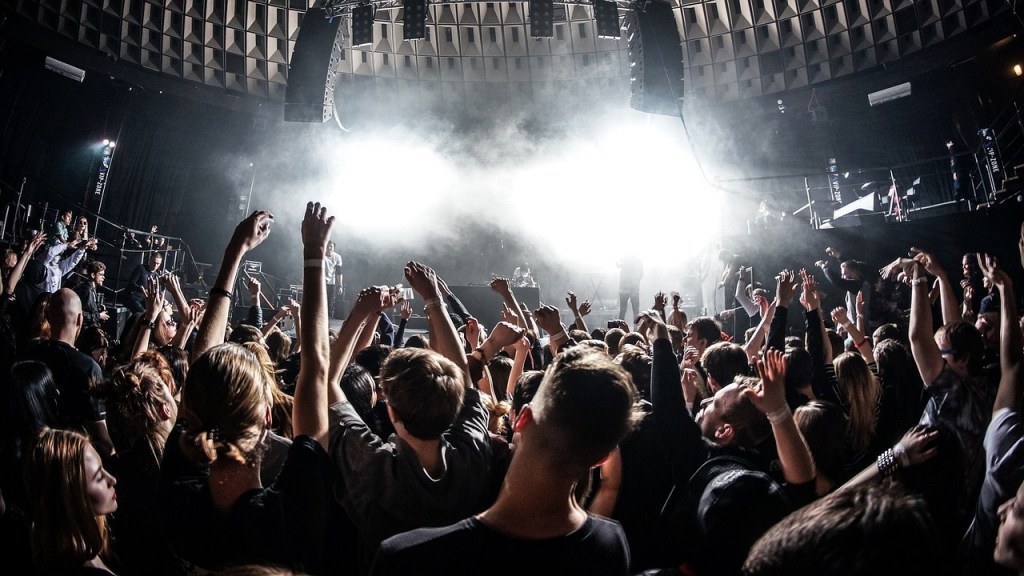
Crowd dynamics can change is a blink of an eye. Luckily, we did not skimp on crowd management systems, and it held up well. Our ushers on the ground communicated well with the crowds and managed to avoid crowd crushes.
The performances were magnificent, and the crowd had a good time. It’s 10:30 pm and the bars are closed. The gates are open for egress and people start to trickle out of the stadium. The final act has taken to stage just to play music as people finish their last drinks and then exit the venue.
By 11:30 pm the music is off, and the clean-up staff are already in action. Loadout has already begun. The audio team are already rolling up cables and the caterers are loading their vehicles with their equipment.
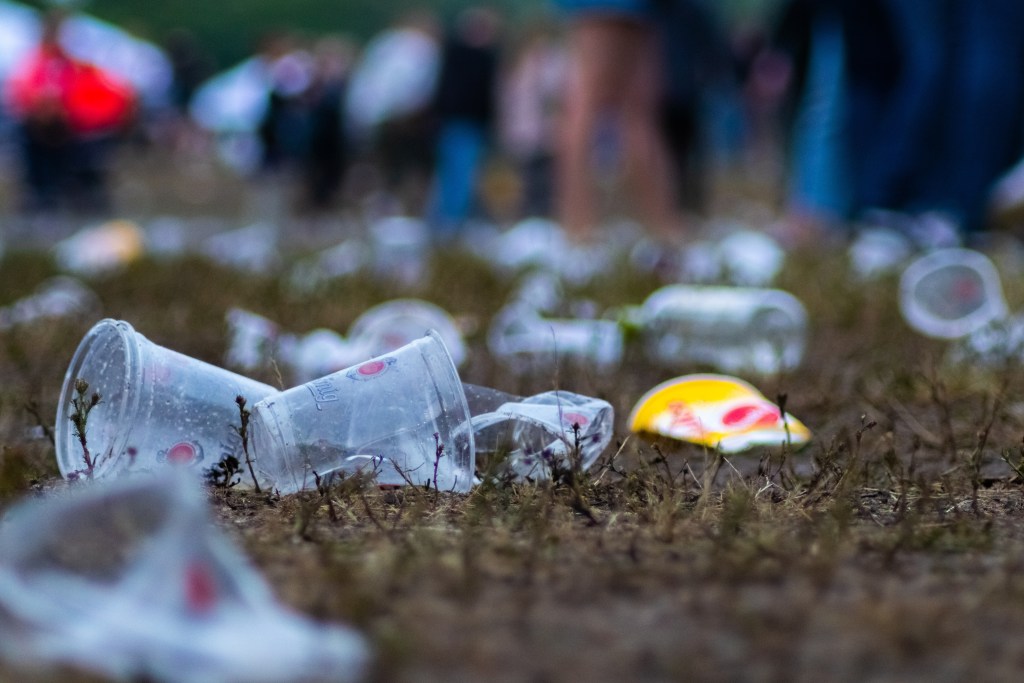
By 12 am the stadium is clear, and the VOC Commander is holding the debriefing. Each relevant role player given their feedback on how the event has gone. Issues raised are noted. Note that depending on how much issues were raised now, the City may request that a full debriefing meeting be held later.
Things went relatively well, and the concerns and issues raised will be addressed. The full VOC is deactivated but we will still have a skeleton VOC for the load out.
I could have thrown in several disasters and incidents into the mix to show you how the relevant role players would be activated and the roles they would play but the purpose of this series was to prevent them from happening.
Whilst you may follow all these steps and do the best planning, there is always Murphy’s Law.

LOAD OUT
It is amazing how quick a stage can be dismantled. The crew is busy removing the infrastructure and the cleaning staff is restoring the stadium to a clean state. Once again, my various sector managers are stepping up and performing their tasks flawlessly.
The stadium is empty, the roads have been opened, and all event staff have departed. By the time the sun rises we would have nearly cleared out the stadium of our presence.
To be honest, I would have left the stadium as soon as the VOC was deactivated and left everything in the hands of my nightshift production manager. A safety officer, medical services and security personnel must be on site for the load out.
Anyway, I am back at the stadium for the handover back to the stadium manager.
Oops! There has unfortunately been some damage to stadium infrastructure. Nothing big a busted toilet and a cracked window. As per our agreement, the costs for this damaged will be claimed from the security deposit I put down when I hired the stadium.

POSTMORTEM
After a few days rest, I have a meeting with my management team. We will now do a SWOT analysis. We will look at what was, our strengths, weaknesses, opportunities and threats.
We will also take the comments, concerns and issues raised at VOC debriefing and adjust future plans accordingly.
This is a time for honest reflection. A postmortem of your event helps you plan appropriately for your next event, if faults are clearly pointed out and rectified. However, this does not mean one must be over critical. Celebrate your victories.

Cheers!
I really enjoyed this series but sadly it has come to an end. If there are any other aspects of event safety that you would like to discuss, please send me an email to gios.crossroads@gmail.com
Nonetheless look out for more content on this website. Future series ideas are welcomed.

Leave a Reply