
Trump just survived his third assassination attempt in as nearly as many years. With nearly half the US population opposing Trump, can we be surprised?
The would-be assassin was able to fire a few shots before Secret Service were able to apprehend him. The would-be assassin, 31-year-old, Cole Allen seem like a normal Californian teacher and engineer. Allen is therefore an intellectual person with degrees and therefore it would stand to reason that he wasn’t driven by emotional manipulation to perform this act.
Looking into Allen’s background more deeply, reveals a different story. The Federal Bureau of Investigation reveals that Allen had a written manifesto which contained a lot of Anti-Trump and Anti-Christian rhetoric. He also was associated with the ‘The Wide Awakes” and the “No Kings” Movement, a movement that has held many protests against Donald Trump. They have labelled Trump a dictator, fascist and Nazi.
On 15th September 2024, Ryan Routh was caught, after being sighted with firearms in the bushes at the Trump International Golf Club, West Palm Beach, Florida. Ryan and an accomplice, who was arrested later, admitted to wanting to end Trump. Ryan also had Anit-Trump sentiments and had conspired with others to get rid of Trump.
There are no less than nineteen security related incidents related to Trump in the last ten years. This comes after Trump became president of the USA in 2016 and entered the political arena.
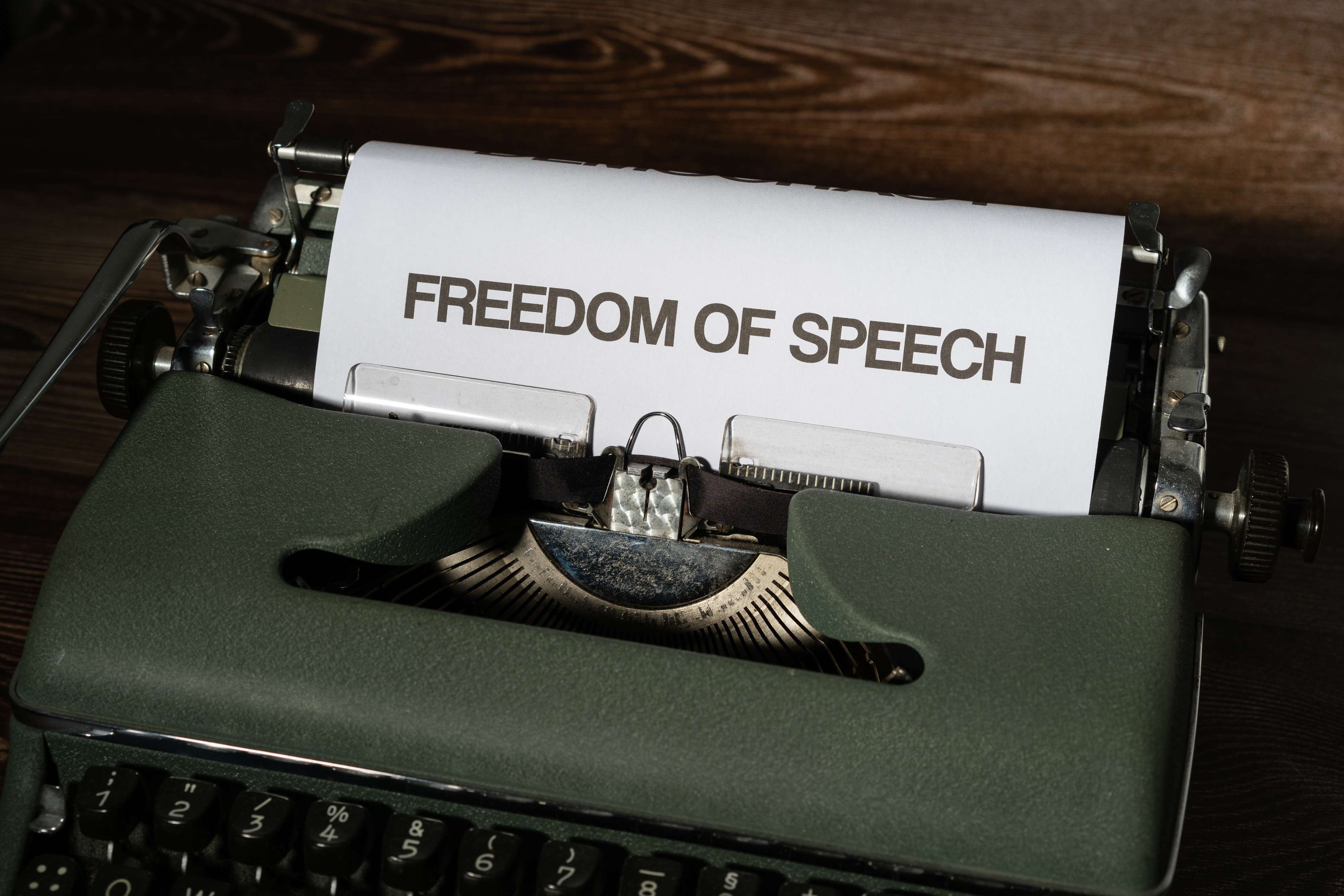
In the United States, the first amendment of the US Constitution gives US citizens the right to free speech. Many people, from politicians to Hollywood celebrities have openly opposed Trump and called for his death. Celebrities like Madonna and Robert De Niro have led the Anti-Trump charge.
Political discourse must be encouraged, and government must be held accountable but surely there is a line. The calling of the killing of another human being, no matter how reprehensible or vile you find that person, can never be justified.
When influential people repeatedly send out the same message, someone is going to pay attention and act on it. Therefore, it should be unsurprising that Donald Trump has had the most recorded assassination attempts in the history of the US presidency.
Words have power and more so when the speaker has political and social influence.
Rhetoric can lead to action, and the action can be devastating.

The South African Situation
We might not care about the US, but we should care about South Africa. The biggest debate about hate speech revolves around “Kill the Boer”. Our courts have ruled that this song forms part of our struggle for democracy and therefore is an acceptable form of expression.
This has divided South Africans. Many feel that in a democratic dispensation, rhetoric of that kind is no longer justifiable.
Groups like AfriForum claim that the singing of the song promotes the killing of white South Africans, especially farmers.
Others argue that South Africa has a violent crime problem and that white farmers are merely victims of this problem.
However, context matters. This song has been sung by prominent politicians like Julius Malema. Malema holds sway over roughly 11% of South Africans, according to the number of votes won in the last national elections.
That is a very large audience. Malema has been spewing anti-white rhetoric for many years and squarely places the blame for the state of South Africa on the white population. The link between the song and farm murders have not been proven or disproven definitively.
The South African government is also accused of persecuting the white population through the passing of legislation that is seen as anti-white. Thirty-two years after the dawn of democracy, our president, Cyril Ramaphosa continues to blame Apartheid for all the ills the country is suffering. Even local celebrities have joined this band wagon.
The “white is bad” narrative being pushed by government and politicians maybe contributing to the violence experienced by white farmers in South Africa.
The second issued that is being fanned by rhetoric, is the immigration issue. Protests against illegal immigrants are increasing nationwide. There is also a rise in actions be taken against illegal immigrants in townships and cities alike.
Prominent politicians like Gayton McKenzie are at the forefront to these calls. Kwa-Zulu Natal, marchers have targeted local businesses to ensure that no undocumented immigrants are employed there.
These attacks are causing rising diplomatic tensions between South Africa and other African countries. Our government is being accused of not protecting foreign nationals in this country adequately. South Africa is being accused of Xenophobia.
Immigrants are being blamed for the state of the economy. South Africans are struggling with unemployment and poverty, whilst foreign nationals are gainfully employed.
Once again, it is rhetoric fanning the flames of violence in South Africa.

Music
Does music contribute to violence? Hip Hop gave birth to gangster rap. Lyrics that glorify having guns and selling drugs. Often these songs also conjure up images of violent clashes with you enemy and taking them out.
Diss songs have often been blamed for fans attacking artists against whom the songs were made.
If all I’m listening to, is someone purporting to be a gangster, telling me how good it is to sell drugs and be promiscuous, then that is what I’m more likely to pursue.

Free Speech
Free speech is not an absolute right according to section 16 of the South African constitution. Free speech excludes propaganda for war, incitement of imminent violence and the advocacy of hatred based on race, ethnicity, gender and religion.
On 27th March 2025, the Constitutional Court found that “Kill the Boer” was not hate speech. For anybody not familiar with South African history would agree that the song does not meet the criteria for the exclusion of free speech, but context always matters.
The history of the song however says otherwise and was directed at white farmers and not farmers in general as Julius Malema claims.
Whatever you utter to an audience whether you mean it literally or not, could lead to serious consequences. You should be held accountable for everything you say. This is even more important when you have a social media platform and influence.
Words spoken can never be retracted or unheard. Hatred is fueled by words more than actions.
South Africans, however, do demonstrate more restraint when it comes to the ANC and our president. We may criticize our government, but we do not call for the killing president. We use our freedom of expression to promote the democratic principle of using our vote to ensure a change in government.
Free speech must be used responsibly.
Leave a Reply